









What to look for in large plants and trees
The trunk, and where it meets the pot
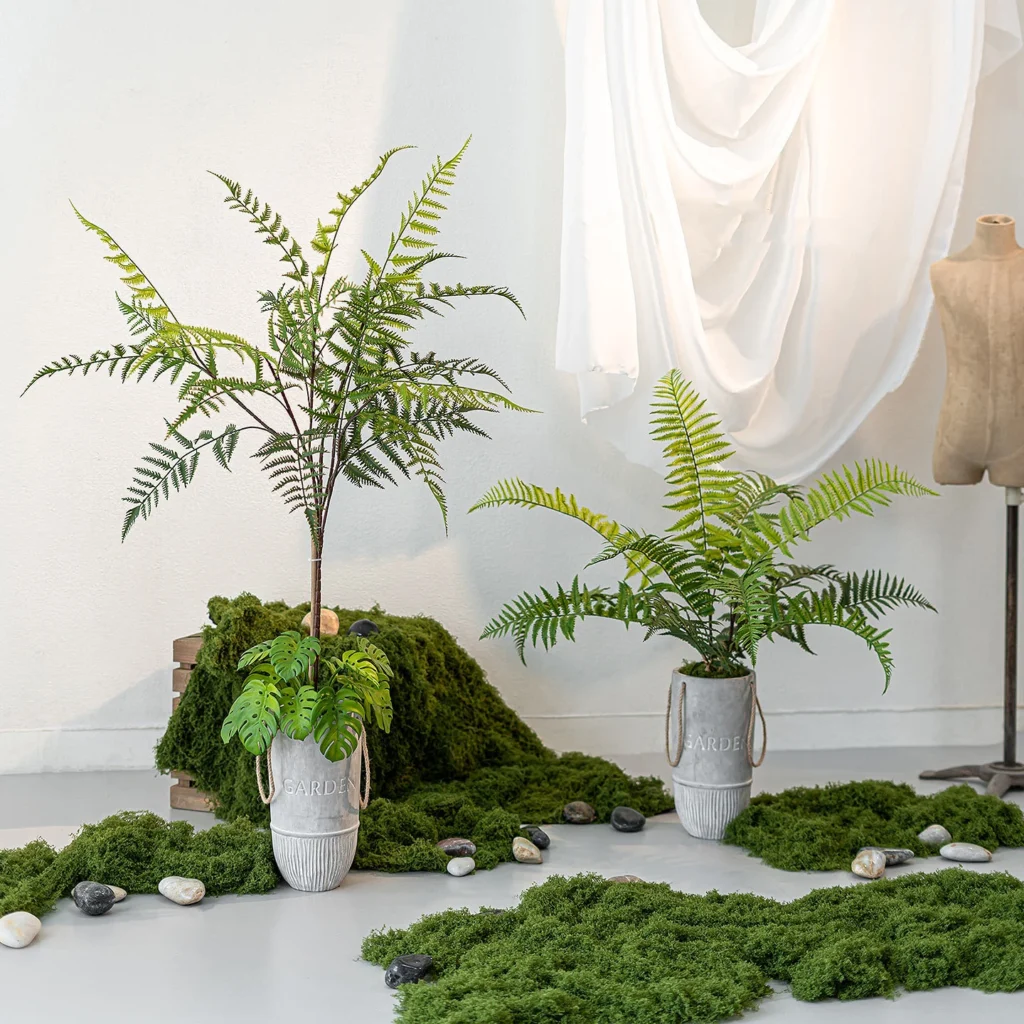
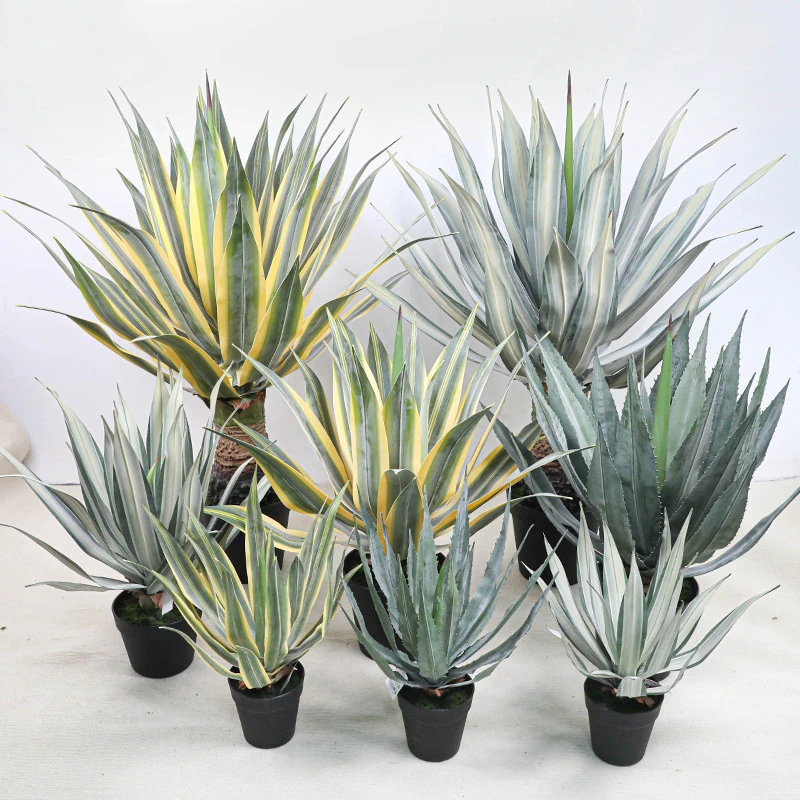
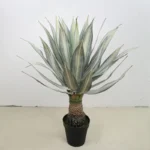
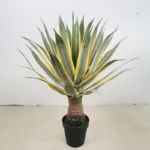
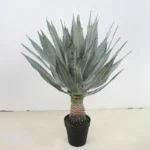
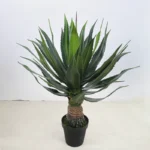
At this size the trunk is as visible as the leaves and it is where the money shows. A real one tapers from base to tip, leans slightly, and carries bark texture with old leaf scars. The shortcut is a straight green pole wrapped in tape. Look at the base too: a piece set in cement or plaster stands on its own, while foam under a thin layer of moss will tip the first time someone walks past it.
Density, not height
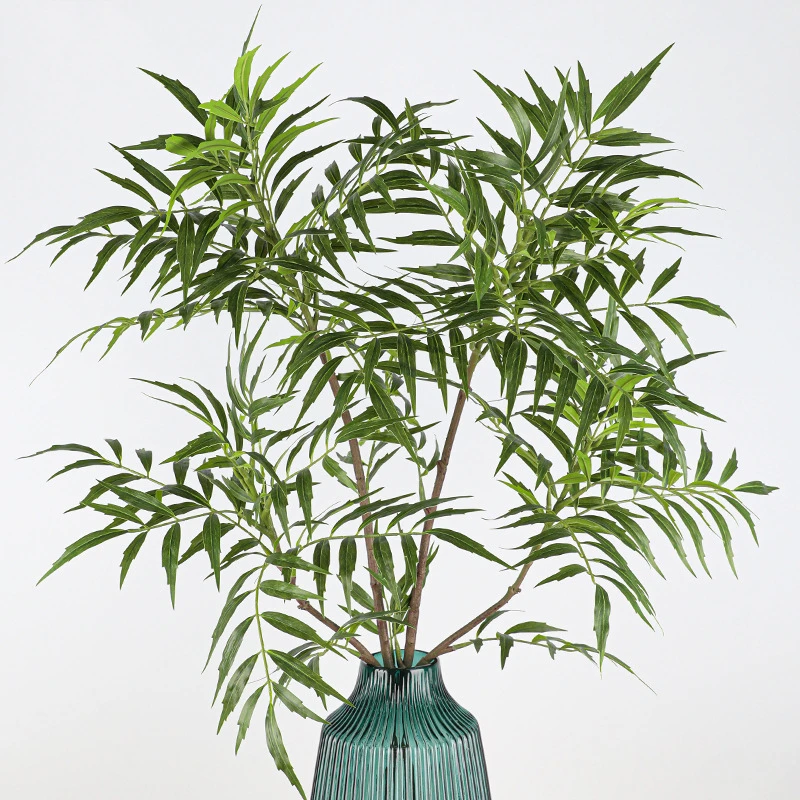
Height is the number sellers advertise because it is the cheapest one to increase. A tall tree with sparse foliage reads as a bare stick from across a room, while a shorter one carrying twice the leaves reads as a plant. Look for a photograph taken from the side rather than head-on, and count the branches rather than trusting the total height.
It arrives folded
Nothing this size ships open. Branches are pressed inward and leaves bent flat, so what comes out of the box looks nothing like the photograph for the first twenty minutes. Bend each branch out from the trunk and turn the leaves so they face different directions. That is the difference between a convincing tree and an obviously fake one, and no amount of money at the buying stage replaces it.