
43 designs


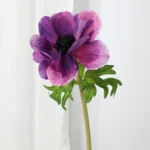
Artificial Anemone Stem
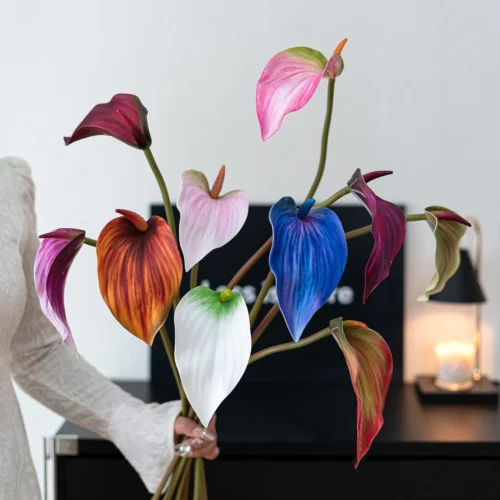
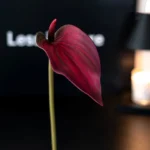
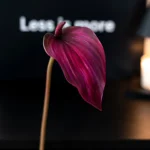
$17.28 Select options This product has multiple variants. The options may be chosen on the product pageArtificial Anthurium Stem
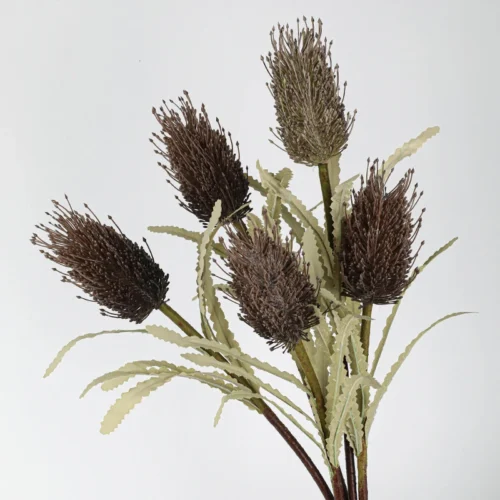
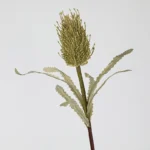
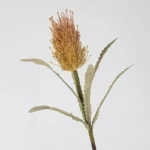
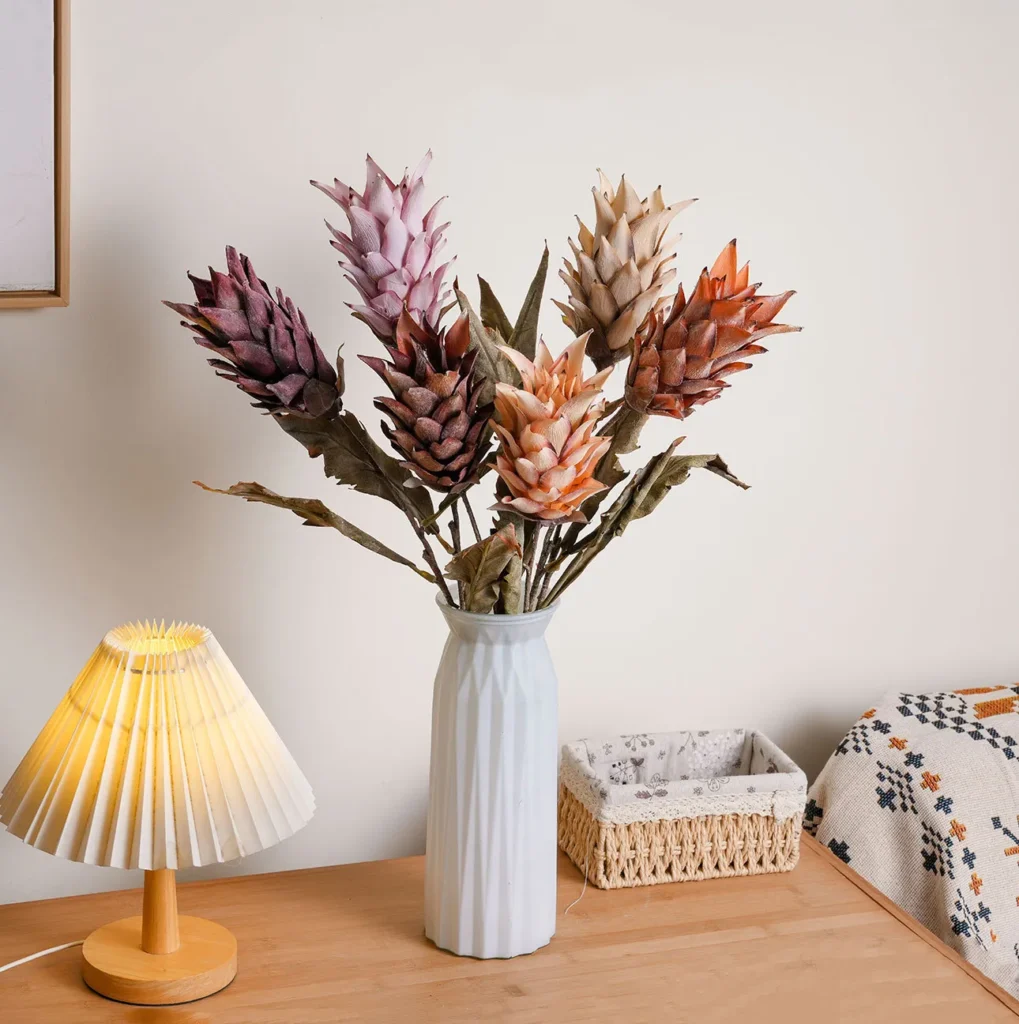
$17.28 Select options This product has multiple variants. The options may be chosen on the product pageArtificial Banksia Stem
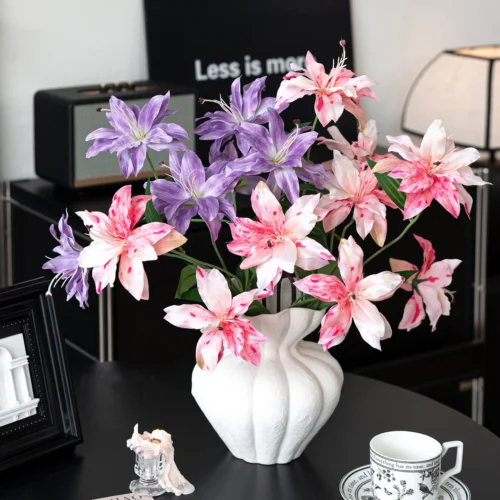
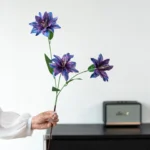
$26.59 Select options This product has multiple variants. The options may be chosen on the product pageArtificial Clematis Stem
$15.95 Select options This product has multiple variants. The options may be chosen on the product pageArtificial Cosmos Stem
$19.94 Select options This product has multiple variants. The options may be chosen on the product pageArtificial Cymbidium Orchid Stem
$15.95 Select options This product has multiple variants. The options may be chosen on the product pageArtificial Daisy & Skeleton Leaf Posy
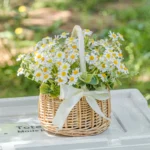
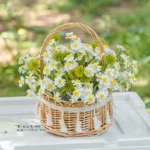
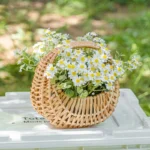
$57.19 Select options This product has multiple variants. The options may be chosen on the product pageArtificial Daisy Basket
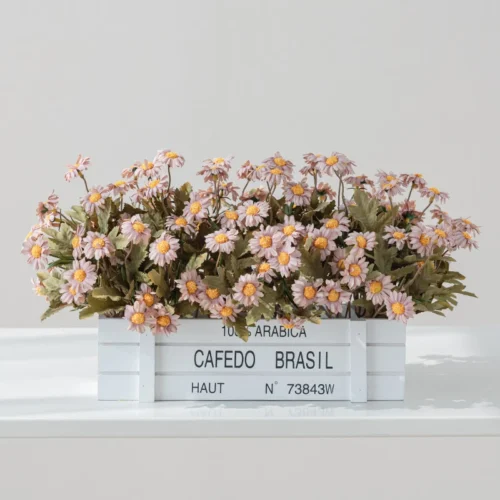
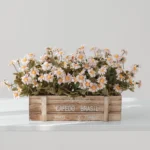
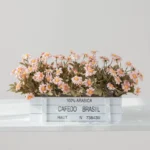
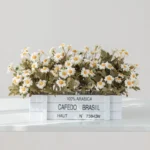
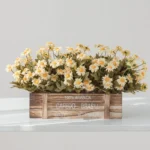
Price range: $53.20 through $91.77 Select options This product has multiple variants. The options may be chosen on the product pageArtificial Daisy Box Arrangement
$53.20 Select options This product has multiple variants. The options may be chosen on the product pageArtificial Daisy Spray Stem
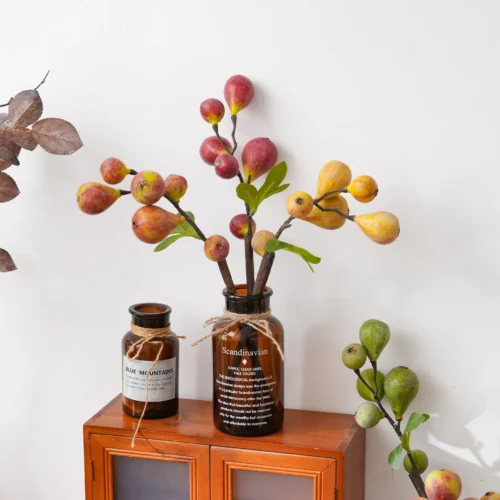
$18.61 Select options This product has multiple variants. The options may be chosen on the product pageArtificial Fig & Berry Fruit Branch
$17.28 Select options This product has multiple variants. The options may be chosen on the product pageArtificial Flower Gift Basket
$45.22 Select options This product has multiple variants. The options may be chosen on the product pageArtificial Garden Rose Spray Stem
$22.60 Select options This product has multiple variants. The options may be chosen on the product pageArtificial Gum Nut Berry Stem
$26.59 Select options This product has multiple variants. The options may be chosen on the product pageArtificial Hydrangea Pick
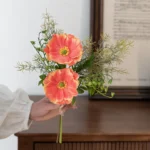
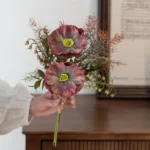
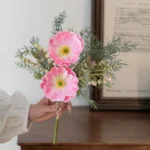
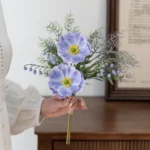
$19.94 Select options This product has multiple variants. The options may be chosen on the product pageArtificial Iceland Poppy Stem
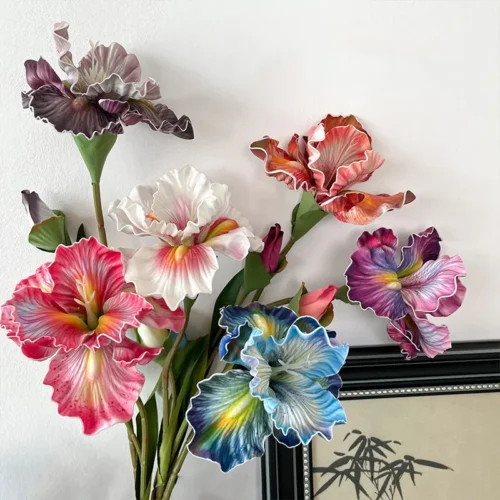
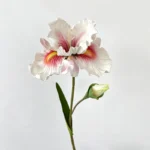
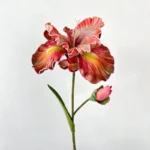
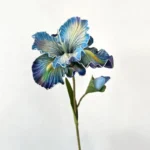
$18.61 Select options This product has multiple variants. The options may be chosen on the product pageArtificial Iris Stem, Real Touch
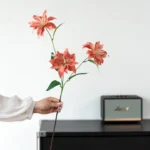
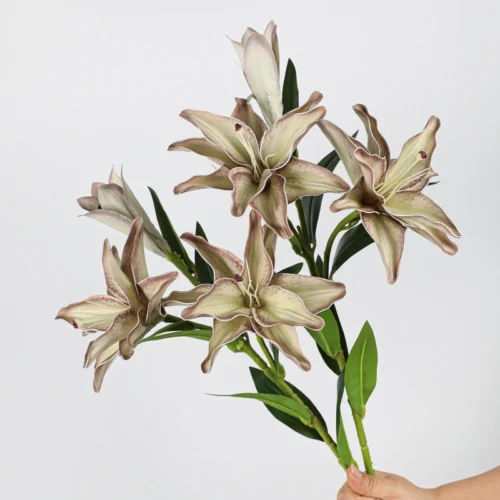
$15.95 Select options This product has multiple variants. The options may be chosen on the product pageArtificial Lily Stem
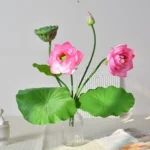
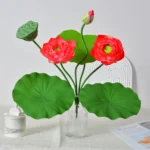
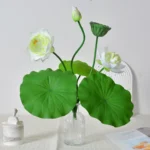
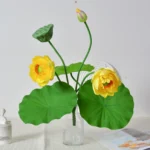
$27.92 Select options This product has multiple variants. The options may be chosen on the product pageArtificial Lotus Flower Arrangement
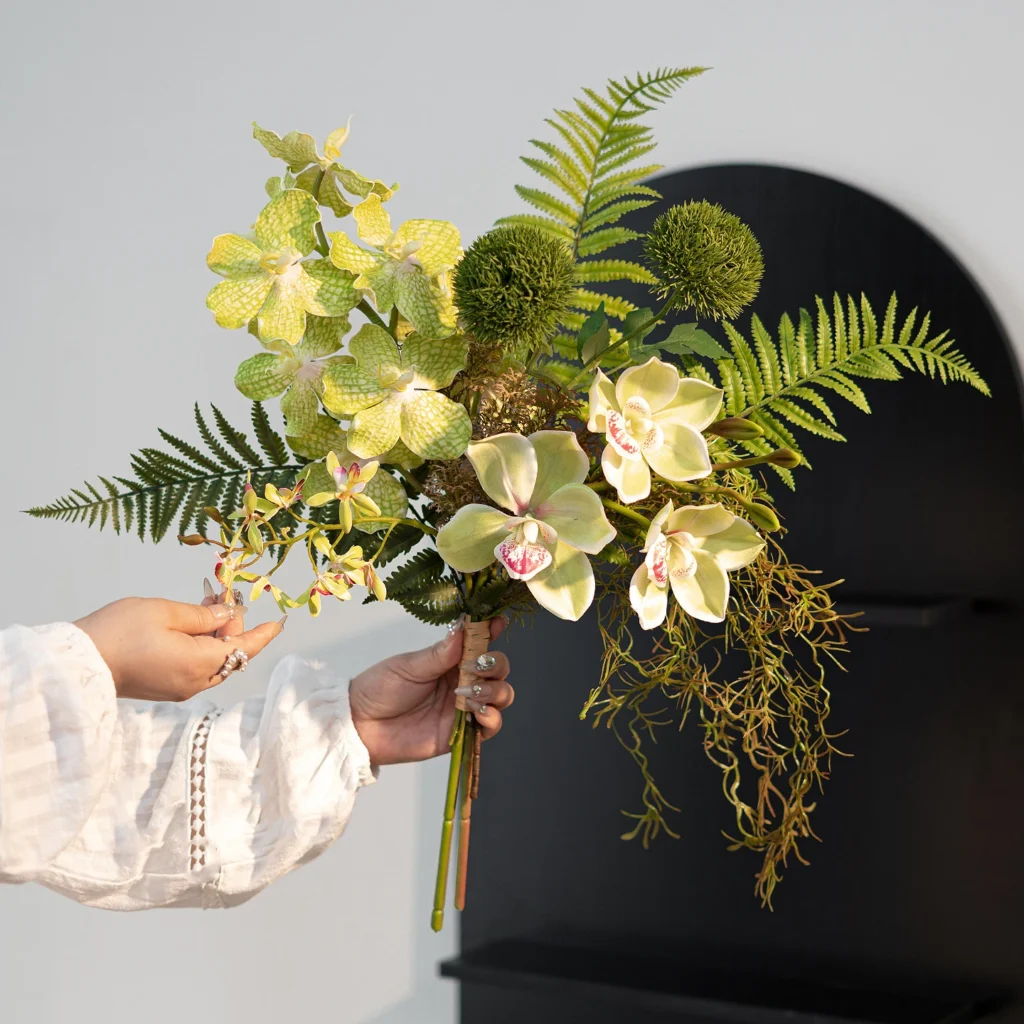
$22.60 Select options This product has multiple variants. The options may be chosen on the product pageArtificial Orchid Hand Tied Bouquet
$63.84 Select options This product has multiple variants. The options may be chosen on the product page























Where to start
Every flower here is a single stem or spray. What separates them is how much of a room each one is willing to carry.
- Artificial RosesThe flower most people reach for first, and the hardest to get right. Quality shows in the outer petals, where a real rose has already started to open and curl back.
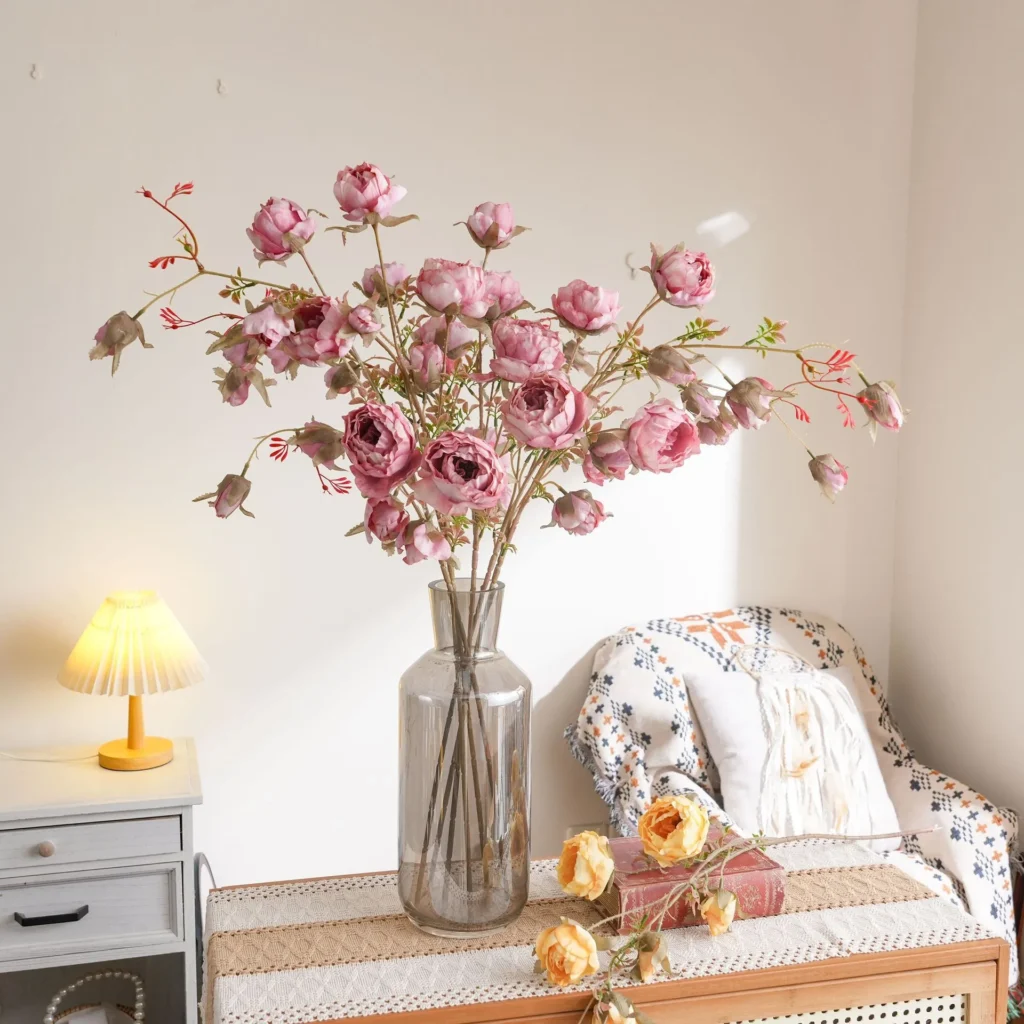
- Artificial PeoniesThe volume flower. One open head does the work of three roses, which makes it the cheapest way to fill a wide vase.
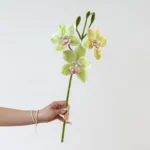
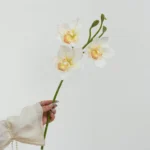
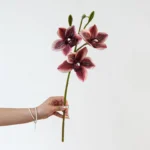
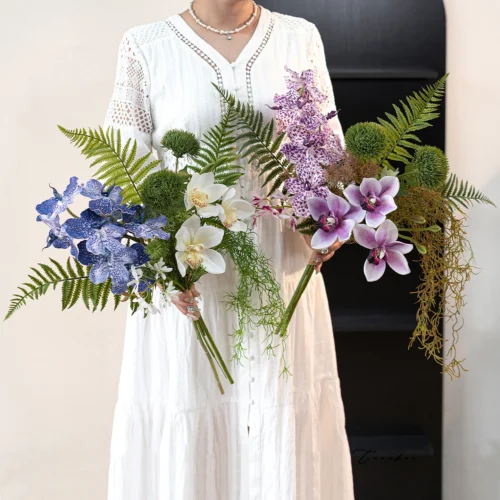
- Artificial OrchidsHeight and line with almost no width. One arching stem in a tall narrow vase is a finished display on its own.
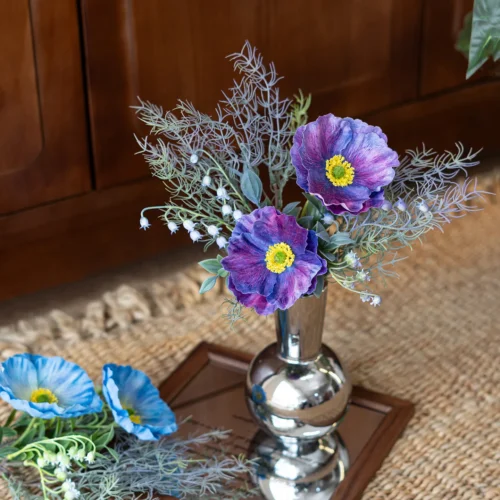
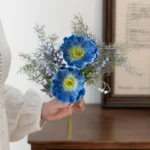
- Artificial PoppiesTissue-thin petals on a nodding neck. As a cut flower it gives you two or three days, which is why most people only ever see it in photographs.
- Artificial ChrysanthemumsDense, tightly packed heads that hold their shape from any angle. The one to use when you want fullness without a dozen stems.
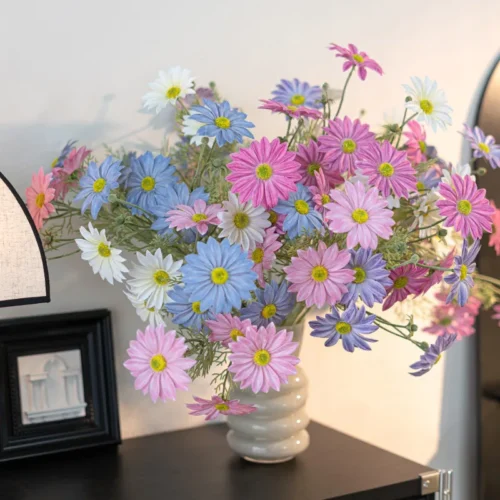
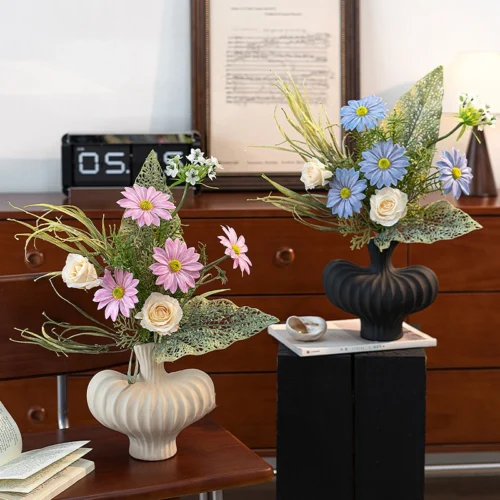
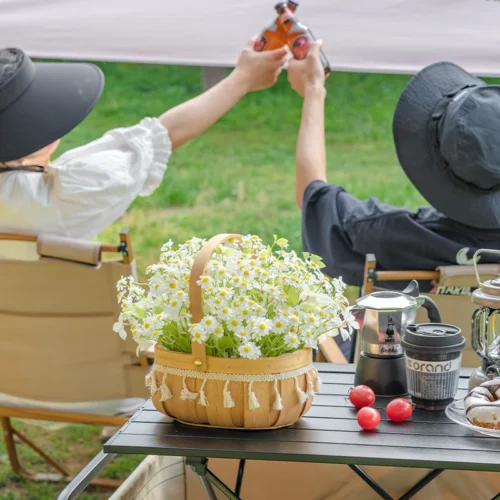
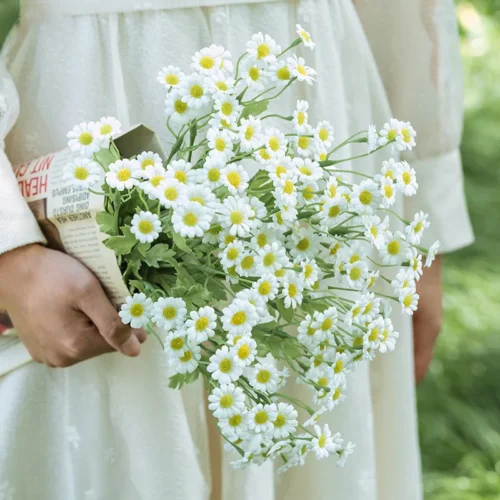
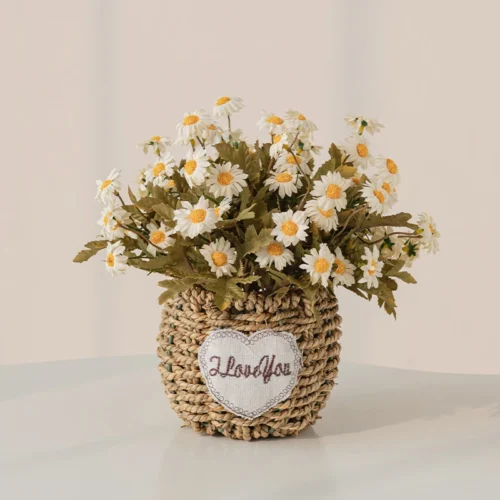
- Daisies & CosmosSmall heads on thin stems, informal and slightly untidy. They loosen an arrangement that has come out looking too arranged.
- Branches & BlossomLine and height rather than colour. Long, bare and irregular, for a floor vase or an empty corner where a bouquet would disappear.
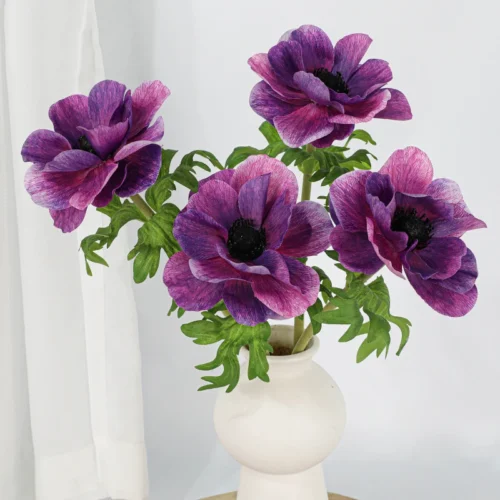
- Other Flower StemsThe ones that do not belong to a family — anemones, scabiosa, thistles, irises. Where to look when an arrangement needs one unexpected thing in it.